There’s nothing quite as unsettling as discovering a hidden water leak. Water sneaks around quietly, but its impact can be messy, expensive, and downright stressful. Whether you own a cozy home or manage a busy business, understanding how leak detection works is essential. Let’s unpack what causes leaks, how you can spot them, and what to do before a small drip turns into a flood.
Common Causes of Leaks in Homes and Businesses
Leaks can strike anywhere — and often when you least expect it. The top causes usually come down to age, wear, and environmental factors:
Aging Pipes: Older properties often have metal pipes that corrode over time. As they deteriorate, small leaks or bursts become more likely.
Extreme Weather: Heavy rain or strong winds can stress roofs, gutters, and plumbing systems, leading to cracks or breaks.
Shifting Soil: When soil expands and contracts with moisture, it can put pressure on underground pipes, eventually causing fractures.
Tree Roots: Large trees may send roots searching for water, finding their way into small cracks in water or sewer lines.
Faulty Installations: A rushed repair or poor-quality fitting can come back to haunt you later. Even one loose joint can cause slow, hidden leaks.
Understanding these common culprits helps you stay one step ahead of water damage.
See also: The Case for Telegram: Why WhatsApp Web Users are Making the Switch
Signs You May Have a Hidden Leak
Not every leak shows up with a puddle or a dripping sound. Some leaks operate quietly behind walls or beneath floors until the damage is already done. Watch for these warning signs:
- Unexplained spikes in your water bill
- Damp, musty smells inside walls, cupboards, or under floors
- Peeling or bubbling paint, especially on ceilings or corners
- Stains or discoloration on walls, tiles, or carpets
- Mold or mildew growth in normally dry areas
- Sounds of running water when taps and appliances are off
- Cracks or warping in walls or flooring
If something doesn’t seem right, trust your instincts. Early leak detection Darwin experts often say that catching a leak early can save thousands in repairs and prevent wasted water.
Leak Detection Methods Used by Professionals
Modern leak detection combines smart techniques with cutting-edge technology to find leaks fast and accurately — without tearing walls apart.
Acoustic Listening Devices: Technicians use sensitive microphones to detect the faint hissing or dripping of escaping water behind walls and floors.
Thermal Imaging Cameras: Infrared technology reveals temperature changes caused by leaking water, making it easier to locate problems inside ceilings or walls.
Moisture Meters: These handheld devices measure moisture levels and pinpoint hidden wet areas.
Pressure Testing: By isolating sections of piping and monitoring pressure drops, specialists can identify where water is escaping.
Each situation is unique, and professionals tailor their methods to suit the building’s layout and materials.
How to Choose the Right Leak Detection Specialist
When water is flowing where it shouldn’t, finding the proper help fast is crucial. Here’s what to look for in a quality leak detection service:
- Experience and Training: Choose technicians who specialize in plumbing diagnostics and water leak detection.
- Modern Equipment: Non-invasive technology means faster results and less disruption to your property.
- Good Reputation: Read reviews and ask for recommendations to ensure reliability.
- Clear Pricing: Look for upfront quotes and transparent fees.
- Complete Solutions: The best companies don’t just find leaks — they help with repairs or connect you with trusted plumbers.
A knowledgeable, communicative expert makes the entire process less stressful and more efficient.
Preventing Future Leaks: Maintenance Tips
A little prevention goes a long way toward protecting your property. Try these simple maintenance steps:
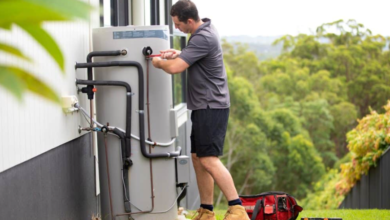
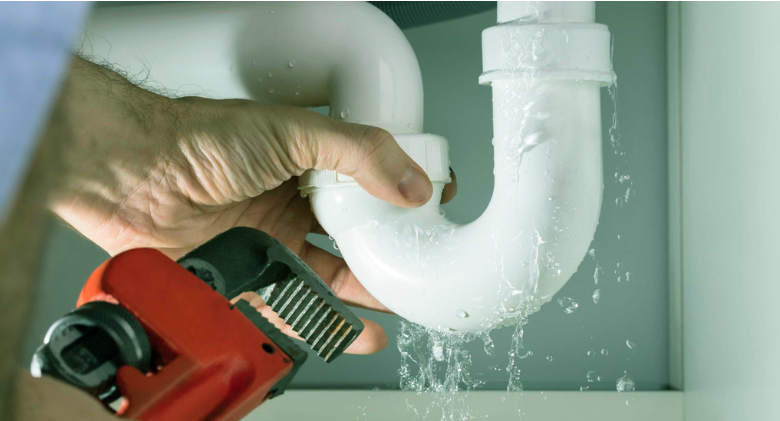
- Inspect pipes under sinks and around hot water systems regularly
- Keep gutters and storm drains clean.
- Trim trees and shrubs near water or sewer lines.
- Schedule yearly plumbing inspections.
- Replace aging pipes during renovations.
Don’t ignore small signs; a slow-draining sink or tiny stain can signal a much bigger issue. Taking early action is your best defense.
Conclusion
Leak detection isn’t just about fixing problems; it’s about protecting your home, your business, and your peace of mind. With a mix of awareness, regular maintenance, and professional support, you can stop hidden water damage before it starts.
If you suspect a leak, act quickly. Contact a leak detection darwin specialist to locate the problem and keep your property safe from costly repairs.