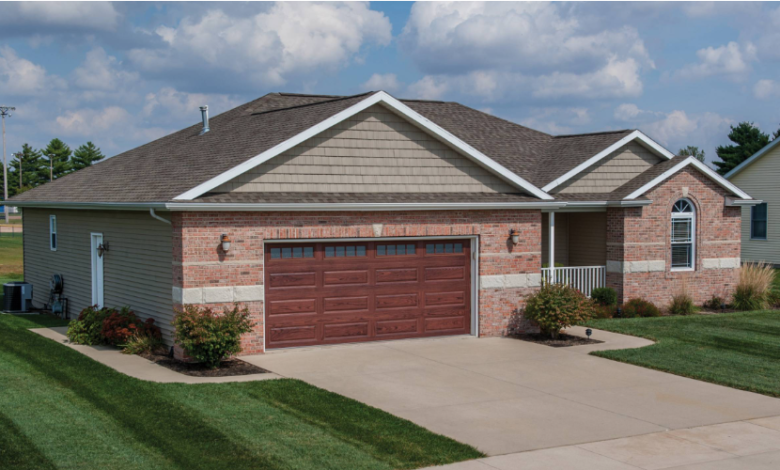
Living between sea breeze and escarpment winds changes what a garage door has to do. Homeowners considering garage doors in Wollongong quickly learn it’s not just about looks; it’s about materials that shrug off salt, mechanisms that cope with gusts, and smart tech that makes daily life easier on busy Illawarra streets. This guide walks through the choices that hold up locally, with plain‑English tips to help them buy once and buy right.
Coastal Factors That Shape Your Garage Door Choice
Materials That Resist Salt And Humidity
Coastal air is unforgiving. For garage doors Wollongong, corrosion resistance isn’t optional.
- Colorbond steel with marine‑grade coatings performs well when rinsed regularly. Ask for coastal or “Ultra” spec finishes near the shoreline.
- Aluminum doors won’t rust and suit modern façades: choose powder‑coated finishes with a high‑durability rating.
- Timber looks beautiful but needs consistent sealing and more frequent maintenance in salty air: accoya or hardwoods treated for exterior use are safer bets than softwoods.
- Hardware matters as much as panels: stainless fixings, nylon rollers, and sealed bearings stand up better to salt and moisture.
A simple habit pays off: hose the exterior and tracks monthly (more often in surf zones) to remove salt spray.
See also: The Case for Telegram: Why WhatsApp Web Users are Making the Switch
Wind Ratings And Bushfire Considerations
Illawarra can cop sudden southerly busters. Doors should be specified to relevant wind loads (AS/NZS 1170.2) and installed with wind‑locking guides where needed, especially for wide double doors. In bushfire‑prone pockets along the escarpment, check BAL requirements under AS 3959. Metal doors with ember‑resistant seals and enclosed openings reduce risk, and choosing a motor with a manual release accessible in an emergency is a must. A local installer can confirm NCC compliance for the exact street and exposure category.
Styles And Mechanisms That Fit Illawarra Homes
Sectional Vs Roller Vs Tilt
- Sectional doors: Quiet, reliable, and broadly customizable in Colorbond profiles or timber‑look finishes. They curve back on tracks, preserving driveway clearance. This is good for most suburban garages and ideal if headroom is available.
- Roller doors: Tough, simple, and space‑efficient. Great for narrow single garages or laneway access. Fewer moving parts, but design options are more limited, and headroom above the opening is required for the drum.
- Tilt doors: A single panel that swings out and up. Handy where internal headroom is tight, and popular on period façades or small apartment blocks. They need clear space in front to avoid clipping cars.
They should match the façade style, coastal contemporary, federation cottages, mid‑century brick, or local setbacks.
Insulation And Noise For Dense Streetscapes
Many Wollongong streets sit close to one another. Insulated sectional doors (polyurethane or polystyrene cores) add thermal comfort if the garage is used as a gym or workshop and noticeably cut street noise and motor hum. Nylon-coated rollers, belt-drive openers, and vibration dampers on tracks keep early-morning departures friendly to neighbors. If the garage sits under a bedroom, prioritize R‑value panels and a quiet DC opener with soft start/stop.
Safety, Technology, And Compliance Essentials
Auto‑Reverse, Photo Eyes, And Child Safety
Modern systems sold in Australia must include effective safety reversal (AS/NZS 60335‑2‑95). They should:
- Auto‑reverse on contact and when photoelectric beams are interrupted.
- Include a manual release cord reachable from the floor.
- Ensure balance so a half‑open door stays put; if not, adjust the spring tension with a professional.
Families should test reversal monthly using a 40 mm timber block under the door edge. If it doesn’t reverse promptly, call a technician.
Smart Openers, Access Control, And Security
Smart openers with app control (e.g., myQ‑compatible units) let them check status, schedule closures, and share temporary digital keys with tradies. Rolling‑code remotes (Security+ 2.0‑style) resist code‑grabbing. Battery backup matters during outages and storms. Add a tilt or door‑position sensor for alerts, a steel bottom rail to reduce flex, and consider a keyed manual lock for non‑motorized roller doors. For strata garages, keypad PINs and audit logs help manage access without key chaos.
Budgeting, Timelines, And Maintenance
Price Factors, Quotes, And Lead Times
Budgets vary by size, finish, insulation, and opener choice. Typical Wollongong ballparks (AUD):
- Single roller door: $900–$1,500. Supply: add $300–$600. Install: opener $400–$800.
- Single sectional: $1,400–$3,000: insulated or timber‑look $2,500–$4,500+.
- Double sectional: $2,200–$5,500+, depending on profile and insulation.
- Common repairs: springs/cables $250–$600, new rollers/hinges $150–$400.
Custom colors, windows, or non‑standard sizes can extend lead times. Standard doors: roughly 2–4 weeks; custom/insulated: 4–8 weeks. Always request a written, itemized quote covering removal of the old door, disposal, weather seals, and electrical work if needed.
Maintenance Checklist And When To Call A Pro
Monthly (coastal): rinse panels and tracks to remove salt: wipe with mild detergent. Quarterly: lubricate hinges, shafts, and springs with lithium‑based spray (never grease tracks): test auto‑reverse and photo eyes: tighten loose fasteners. Annually: check balance, weather seals, and opener chain/belt tension. Call a pro if the door shudders, falls when released, the spring breaks, or if cables fray; these are high‑tension parts and dangerous to DIY.
How To Choose A Local Installer Or Repair Technician
Questions To Ask Before You Book
- Are they licensed with NSW Fair Trading and insured for public liability?
- What wind rating and BAL considerations are included for this address?
- Which brands do they carry (e.g., B&D, Steel‑Line, Gliderol, Merlin/Chamberlain), and do they stock parts locally?
- Will they conduct a site measure for headroom, jamb condition, and opener power requirements?
- What are the noise and insulation specs, and can they demo the opener in a showroom?
- Do they offer emergency call‑outs and a set service schedule after installation?
A quick walk‑through of their recent installs in the Illawarra and a couple of phone references speak louder than brochures.
Warranty, Parts Availability, And Aftercare
Look for clear written warranties: 5–10 years on door panels/structure, 1–5 years on openers and electronics, and 12 months on labor is common. Confirm that consumables (rollers, seals, springs) are standard sizes so replacements aren’t a wild goose chase. Aftercare should include a first‑year service, guidance on salt‑zone cleaning, and simple owner checks. Good technicians leave them with the manual, Wi‑Fi setup notes, and the emergency release procedure taped near the door.
Conclusion
Choosing garage doors Wollongong is about respecting the coast and the climate while getting everyday convenience right. Durable materials, a mechanism that suits the space, smart and safe openers, and a local installer who knows the wind and bushfire rules; those decisions add up to a door that looks good and quietly works for years. Spend a little longer on the spec now, and the only time they’ll notice the garage is when it slides open without a fuss.